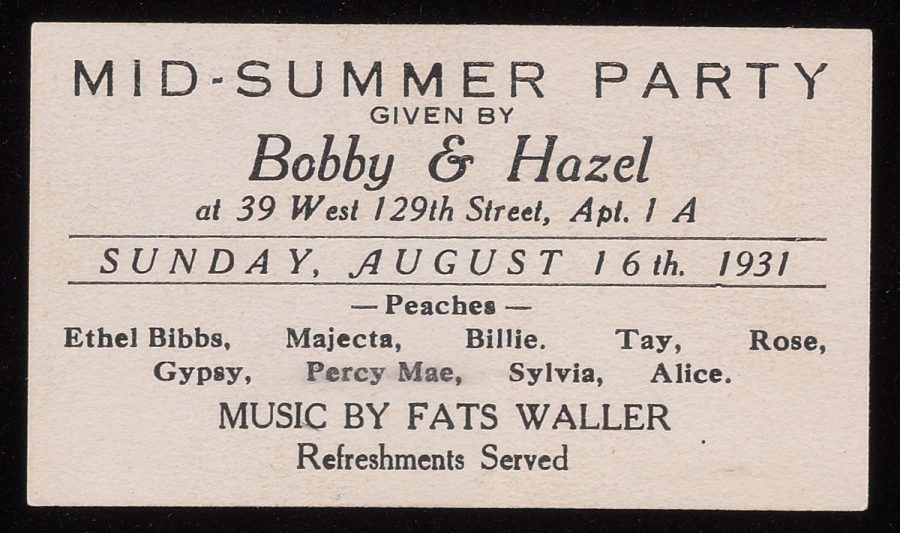
Rent parties were house parties with music and dancing. They were a fixture of Harlem life from the 1920s to the 1960s and played a crucial role in the development of the music and dance styles of the jazz era.
The Great Migration is a period of US history when hundreds of thousands of African-Americans moved from the South to cities in the North and West to escape racist Jim Crow laws and harsh living conditions. Many of these folks ended up in Harlem, New York, where life was much better in some ways though racial discrimination was still an everyday reality. In New York Black workers were paid lower wages than white workers. At the same time Black renters paid 40 – 60% higher rent. This made paying rent each month a real struggle for many Black residents. Some took in borders, some worked extra jobs to make ends meet and some threw end of the month dance parties called ‘rent parties’. The idea was said to be based on a couple of common traditions from Black communities in the South – church fundraisers and Saturday night fish fries or barbecues – that brought communities together informally to eat and drink for a small cost.
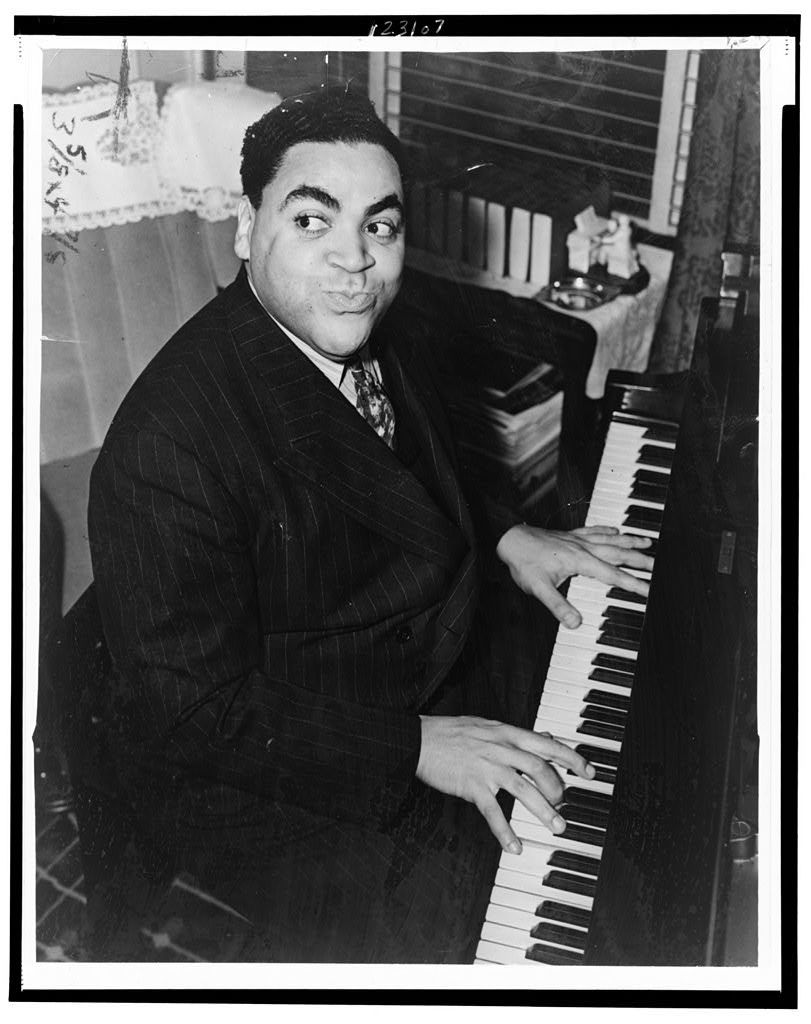
The average entry fee for a rent party was 25 cents with food and drinks for an additional cost. When the parties started during prohibition they often served bootleg liquor and they were a great place to get Southern comfort food like fried chicken, pigs feet, fried fish, and potato salad. The parties were advertised with ‘rent party tickets’ small business cards or fliers that were handed out to friends or to anyone on the street. Music and dancing were a big part of the gatherings. The hosts would hire a piano player or a small combo (piano, drums, saxophone). Some of the well-known musicians who got their start playing piano at rent parties include Fats Waller and James P Johnson (whose hit song started the Charleston craze). Rent parties are said to have been the birthplace of stride piano. Some sources claim that most dances of the jazz era got their start at rent parties before being refined in dance halls. Frankie Manning and Norma Miller both talk about dancing at rent parties as children.
Rent parties were so popular that they became an institution of Harlem life with some enterprising hosts holding parties every weekend, not just when rent was due. Saturday and Thursday nights were most popular but soon you could find rent parties every night of the week. They were a great way for hosts to supplement their income and for party goers to have a fun night out that was less expensive than going to ballroom or a nightclub. Langston Hughes, renowned poet of the Harlem Renaissance, was big fan of rent parties. He said ‘the Saturday night rent parties that I attended were often more amusing than any night club, in small apartments where God-knows-who lived.’
Further insights:
Langston Hughes’ collection of rent party tickets
The Warmth of Other Suns (great book on The Great Migration)
 Swing Dance Leeds